By investigators, for newsrooms.
Web content disappears. Your evidence shouldn’t.
Capture, cryptographically sign, and preserve web content — creating tamper-evident archives that hold up under scrutiny. On your infrastructure, under your control.
Supported by


The problem
The web disappears — at an incredible speed.
Content is edited, deleted, taken down — often just when it matters most. DEPT lets you capture any web page, sign it cryptographically, and produce a tamper-evident archive that holds up under scrutiny. Built for investigative journalists and the teams behind them.
Deleted
Pages vanish. Tweets disappear. Server errors replace evidence.
Altered
Press releases rewritten. Product pages quietly updated. No trace left.
Unverifiable
Screenshots can be faked. Archive.org can be slow, incomplete, or blocked.
How it works
Capture. Verify. Share.
Capture
One-click capture inside your own browser session — including paywalled and authenticated content
Verify
Cryptographic signing via C2PA — the same standard used by major international newsrooms.
Share
Private by default — nothing leaves your machine unless you choose to.
Features
Everything you need to preserve evidence.
Capture
One-click browser capture
Capture directly from your browser session — including paywalled and authenticated content.
Full WACZ archive
Page, assets, DOM snapshot, screenshot and other assets — everything preserved.
Tamper-evident from capture
Integrity is established with every transaction. Starting from the moment of capture.
Sign
C2PA cryptographic signing
The same open standard used by major international newsrooms and media organizations.
Server-witnessed timestamps
Timestamps tied to your domain, providing independent proof of when content was archived.
Verifiable chain of custody
From capture to publication — every step is auditable and transparent.
Control
Private by default
Nothing leaves your machine unless you choose to. Your archives, your infrastructure.
Team workspace
Share and manage archives within your newsroom, with role-based access control.
Interactive replay
Share a live, explorable version of the archived page — fully verifiable.
Zero-Trust & Compliance
Your data never touches our servers.
On-premises deployment means your evidence stays on your infrastructure. Always.
GDPR-compliant
Built in Germany, designed for European data protection standards from day one.
eIDAS-aligned
Cryptographic signatures aligned with European electronic identification standards.
On-premises
Deploy on your own infrastructure. No cloud dependency, no third-party data access.
Open standards
Built on WACZ and C2PA — open formats that prevent vendor lock-in.
How we work
From scoping to production
We work with your newsroom to integrate evidence preservation into existing workflows.
Scoping
Understand your team’s investigative workflow, technical environment, and compliance requirements. Define integration points and success criteria.
Integration
Deploy DEPT on your infrastructure, configure signing, and connect to existing editorial systems. Training for your team included.
Ongoing support
Continuous updates, security patches, and feature development. Dedicated support for your newsroom’s evolving needs.
Team
Built by investigators, for investigators

Basile Simon
Basile is a researcher working at the intersection of engineering, law, and journalism. He leads the law program at the Starling Lab for Data Integrity at Stanford and USC, and is a resident with the ECCHR law firm in the cross-NGO investigative group Investigative Commons. He co-founded Airwars, a civilian harm watchdog, in 2014 and has designed archiving and verification workflows ever since.

Niko Para
Niko co-founded Syrian Archive in 2014 and has since worked in Berlin and New York with NGOs, media organisations, and businesses across the public and private sectors, including Security Force Monitor at Columbia Law School's Human Rights Institute. He co-founded DOT • STUDIO in 2024 — a development agency for projects with social impact.
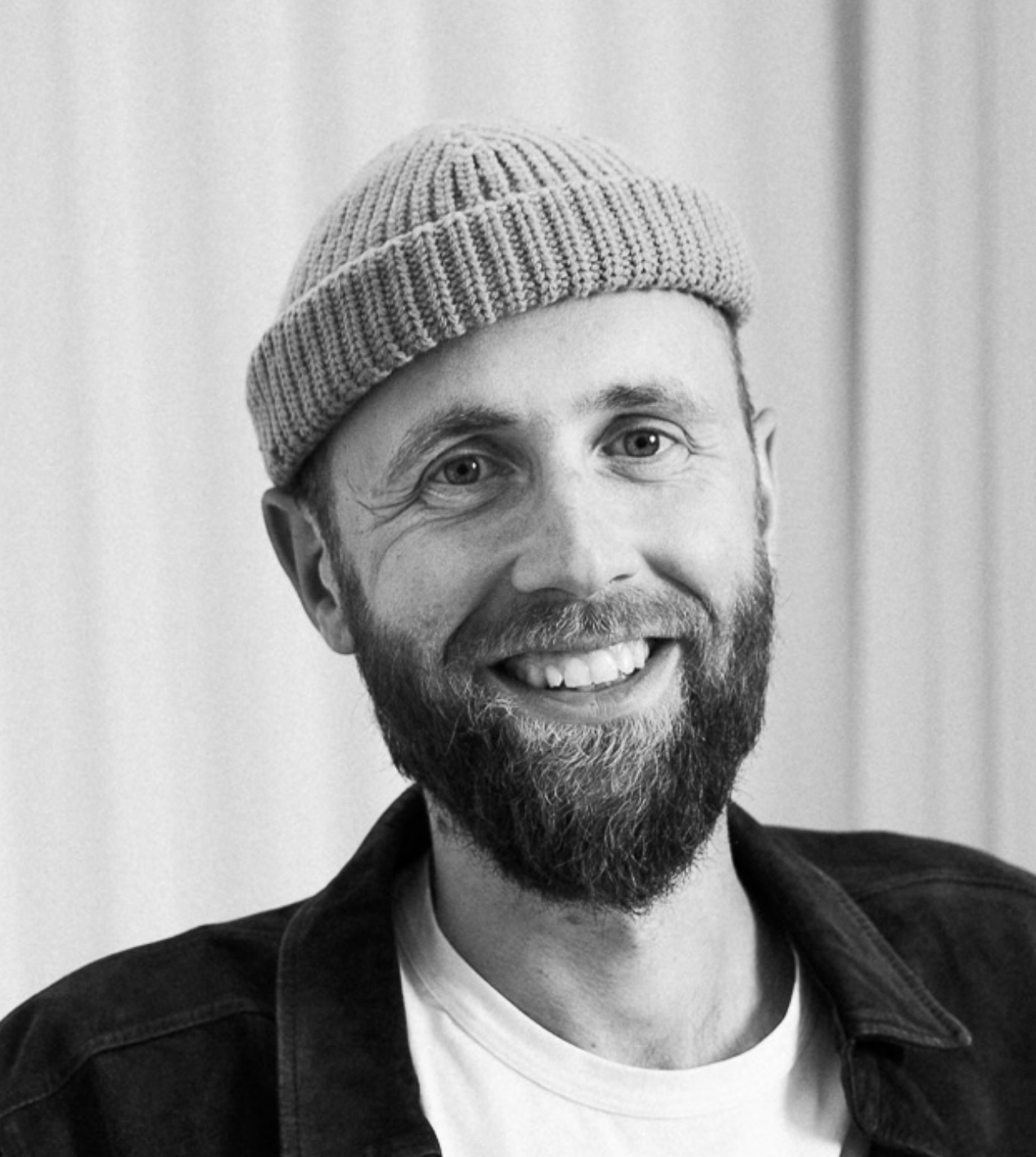
Tilman Miraß
Tilman works at the intersection of technology, politics, and journalism. As a developer at Deutsche Welle, he built AI-powered tools for investigative journalism. He co-founded DOT • STUDIO in 2024.
Let's talk about your newsroom.
We help investigative teams preserve the evidence that matters. Tell us about your workflow.